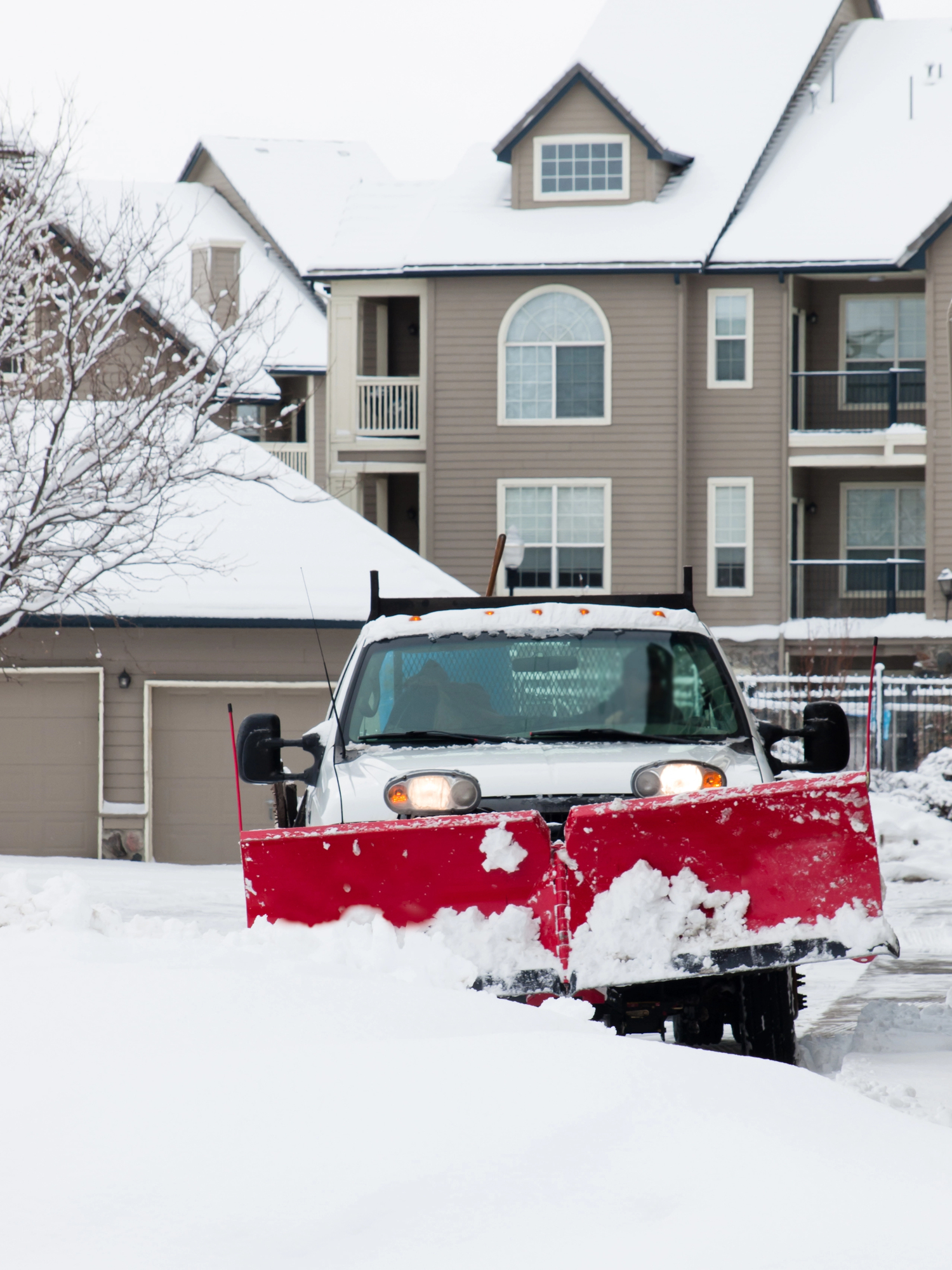
Apple Valley Lawn and Snow truck clearing deep snow from driveway in front of residential buildings
De-Icing Products for Apple Valley Winters: Calcium Chloride, Rock Salt and Sand Compared
Introduction
Apple Valley's harsh Minnesota winters demand effective de-icing strategies to keep your property safe and accessible. With temperatures regularly dropping below zero and heavy snowfall throughout the season, choosing the right de-icing product can mean the difference between safe passage and dangerous ice-covered surfaces. Rock salt, calcium chloride, and sand each offer distinct advantages and limitations that directly impact their effectiveness in our local climate conditions.
Understanding how these products perform in Apple Valley's specific weather patterns will help you make informed decisions for your driveway, walkways, and outdoor spaces. The right choice depends on temperature ranges, environmental concerns, cost considerations, and your specific property needs.
Rock Salt Performance in Apple Valley Conditions
Rock salt remains the most common de-icing choice for Apple Valley homeowners due to its affordability and widespread availability. This sodium chloride product works by lowering the freezing point of water, preventing ice formation on treated surfaces. However, rock salt's effectiveness diminishes significantly when temperatures drop below 15 degrees Fahrenheit, which frequently occurs during Apple Valley winters.
During the coldest months, typically January and February, rock salt may fail to melt existing ice effectively. The product works best when applied before snowfall begins, allowing it to prevent ice formation rather than trying to melt established ice layers. Rock salt also requires more frequent applications during extended cold periods, increasing both labor and material costs over the winter season.
Environmental considerations include potential damage to concrete surfaces, metal fixtures, and nearby vegetation. The chloride content can harm grass and plants adjacent to treated areas, making spring lawn recovery more challenging for Apple Valley homeowners.
Calcium Chloride Advantages in Sub-Zero Temperatures
Calcium chloride demonstrates superior performance in Apple Valley's extreme winter conditions, remaining effective at temperatures as low as negative 25 degrees Fahrenheit. This makes it particularly valuable during the coldest periods when rock salt becomes ineffective. The product generates heat when it dissolves, accelerating the melting process and providing faster results on icy surfaces.
The hygroscopic properties of calcium chloride allow it to absorb moisture from the air, helping maintain its effectiveness even after initial application. This characteristic reduces the frequency of reapplication compared to rock salt, potentially offsetting the higher upfront cost through reduced labor and material usage over the entire winter season.
Calcium chloride works faster than rock salt, typically beginning to melt ice within minutes of application rather than requiring extended contact time. This rapid action proves especially beneficial for Apple Valley residents who need immediate access to driveways and walkways during emergency situations or unexpected weather events.
Sand Application for Traction and Safety
Sand serves a different purpose in winter maintenance, providing traction on icy surfaces rather than melting ice. Apple Valley homeowners often use sand as a cost-effective solution when temperatures are too low for chemical de-icers to work effectively or when environmental concerns limit chemical use near sensitive landscaping areas.
The primary advantage of sand lies in its immediate effectiveness regardless of temperature. It provides instant traction for vehicles and pedestrians without requiring time to dissolve or chemical reactions to occur. Sand also poses minimal environmental risks to vegetation, concrete, and metal surfaces, making it suitable for use around valuable landscaping investments.
However, sand requires cleanup after winter ends, and tracked sand can create indoor messes throughout the season. Wind can also blow sand away from targeted areas, reducing its effectiveness and requiring more frequent reapplication during Apple Valley's windy winter conditions.
Cost Analysis and Application Rates
Rock salt typically costs less per pound than calcium chloride, making it attractive for budget-conscious homeowners. However, the higher application rates required in cold conditions and reduced effectiveness can increase overall seasonal costs. Most Apple Valley properties require 2-3 pounds of rock salt per 1,000 square feet for effective coverage.
Calcium chloride costs more initially but requires lower application rates, typically 1-2 pounds per 1,000 square feet. The reduced frequency of reapplication and superior cold-weather performance often balance the higher upfront investment over the entire winter season.
Sand represents the lowest cost option per application, but cleanup costs and potential indoor damage from tracked sand should factor into total cost calculations. Professional application services in Apple Valley may charge different rates based on the product used and seasonal demand fluctuations.
Environmental Impact Considerations
Apple Valley's environmental regulations and proximity to natural areas influence de-icing product selection. Rock salt and calcium chloride both contribute chloride loading to local water systems, potentially affecting nearby lakes and streams that drain into the Mississippi River watershed.
Vegetation damage varies between products, with calcium chloride generally causing less harm to grass and plants than rock salt. However, both products can damage concrete over time through repeated freeze-thaw cycles and chemical interaction with concrete compounds.
Sand presents minimal immediate environmental concerns but can contribute to storm drain clogging and requires spring cleanup that may impact local waste management systems. Choosing sand with rounded particles rather than sharp angular sand reduces potential damage to surfaces and equipment.
Storage and Handling Requirements
Proper storage significantly impacts the effectiveness and longevity of de-icing products in Apple Valley's humid summer conditions and cold winters. Rock salt absorbs moisture and can form hard clumps when exposed to humidity, making storage in sealed containers essential for maintaining usability.
Calcium chloride requires even more careful storage due to its hygroscopic nature, readily absorbing moisture from the air and potentially dissolving into liquid form if not properly sealed. Airtight containers and dry storage areas prevent product degradation and ensure consistent performance throughout the winter season.
Sand storage is less critical but keeping sand dry prevents freezing into unusable blocks. Covered storage areas or sealed containers protect sand from moisture and make winter application easier during Apple Valley's harsh weather conditions.
Application Timing and Techniques
Successful de-icing in Apple Valley requires understanding optimal application timing for each product type. Rock salt works best when applied before precipitation begins, allowing time to create a barrier against ice formation. Applying rock salt to existing ice requires higher quantities and longer contact time to achieve desired results.
Calcium chloride can be applied effectively both before and after ice formation due to its heat-generating properties and superior cold-weather performance. Pre-treatment applications prevent ice bonding to surfaces, while post-storm applications quickly melt existing ice accumulation.
Sand application timing depends on immediate traction needs rather than weather forecasts. Applying sand after snow removal provides optimal traction benefits, and reapplication may be necessary after additional snowfall or high winds that redistribute the material.
Professional vs. DIY Application Considerations
Apple Valley homeowners must decide between professional de-icing services and self-application based on property size, physical capabilities, and cost considerations. Professional services often use commercial-grade equipment and bulk pricing advantages that may offset service fees for larger properties.
DIY application requires proper equipment including spreaders, storage containers, and protective gear. Hand application can result in uneven coverage and waste, while mechanical spreaders ensure consistent distribution and reduce product usage.
Professional services typically carry liability insurance and understand proper application rates for different conditions, reducing risks of property damage from over-application or environmental violations from improper use near sensitive areas.
For comprehensive winter maintenance solutions, consider consulting with residential snow removal specialists who can recommend integrated approaches combining de-icing with snow removal services.
