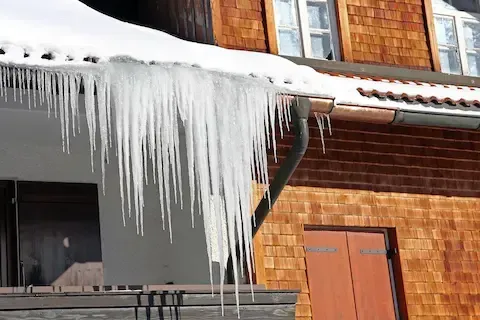
Ice Dam Prevention for Apple Valley MN Homes in Winter
Ice dams pose a significant threat to Apple Valley homeowners during Minnesota's harsh winter months. These frozen barriers form when snow melts on your roof and refreezes at the gutters, creating a dam that prevents proper drainage. Understanding the formation process and implementing effective prevention strategies protects your home from costly water damage, structural issues, and insurance complications that frequently affect residential properties throughout Dakota County.
Understanding Ice Dam Formation in Apple Valley Climate
Ice dams develop through a cyclical process driven by heat loss from your home's interior. When warm air escapes through inadequate insulation or air sealing, it heats the roof deck and melts accumulated snow. This melted water flows down toward the cooler eaves and gutters, where it refreezes into ice. As this cycle repeats, the ice buildup grows larger and creates a barrier that prevents subsequent meltwater from draining properly.
Apple Valley's winter climate creates ideal conditions for ice dam formation. The combination of significant snowfall, temperature fluctuations around the freezing point, and older housing stock with varying insulation standards contributes to widespread ice dam problems across the community. Many homes built in the 1970s and 1980s lack modern energy efficiency standards, making them particularly susceptible to heat loss and subsequent ice dam development.
The geography of Apple Valley also influences ice dam formation patterns. Properties with northern exposures tend to retain snow longer, while southern-facing roofs experience more frequent freeze-thaw cycles. Understanding your home's specific exposure and microclimate helps determine the most effective prevention approach for your situation.
Attic Insulation and Air Sealing Solutions
Proper attic insulation serves as the primary defense against ice dam formation by maintaining consistent roof temperatures. Minnesota building codes recommend R-49 to R-60 insulation values for attic spaces, but many Apple Valley homes fall short of these standards. Adding blown-in cellulose or fiberglass insulation brings your attic to current specifications and significantly reduces heat transfer to the roof deck.
Air sealing proves equally critical in preventing warm air infiltration. Common air leak sources include recessed lighting fixtures, bathroom exhaust fans, plumbing penetrations, and electrical outlets in top floor ceilings. Professional air sealing involves caulking gaps, weatherstripping access points, and installing gaskets around light fixtures to create a continuous thermal barrier.
The recommended sequence involves air sealing first, followed by insulation installation. This approach ensures that insulation doesn't cover air leaks, which would reduce its effectiveness and potentially create moisture problems. Many Apple Valley homeowners combine these upgrades during fall preparation to maximize winter performance and energy savings.
Blown-in insulation offers advantages over batt insulation in existing homes because it fills irregular spaces and provides consistent coverage around obstacles. Professional installation ensures proper density and coverage, while DIY approaches may result in settling or gaps that compromise thermal performance.
Roof Ventilation and Design Considerations
Adequate roof ventilation maintains cold roof deck temperatures by allowing outside air to circulate through the attic space. The general rule requires one square foot of ventilation area for every 150 square feet of attic floor space, divided equally between intake and exhaust vents. Apple Valley homes often require ventilation upgrades to meet this standard effectively.
Soffit vents provide intake air at the eaves, while ridge vents, gable vents, or powered exhaust fans remove warm air from the upper attic areas. This circulation pattern keeps the entire roof deck at exterior temperature, preventing the heat differential that drives ice dam formation. Blocked or insufficient ventilation disrupts this airflow and increases ice dam risk.
Roof design elements significantly influence ice dam susceptibility. Complex rooflines with multiple valleys, dormers, or architectural features create areas where snow accumulates and drainage becomes restricted. Understanding these design challenges helps prioritize prevention efforts and identify areas requiring additional attention during winter maintenance.
Professional ventilation assessments evaluate both quantity and quality of airflow. Sometimes existing vents become blocked by insulation, debris, or structural modifications, reducing their effectiveness even when adequate numbers are present. Regular inspection and maintenance ensure optimal ventilation performance throughout the winter season.
Snow Load Management and Removal Strategies
Managing snow accumulation on your roof reduces the raw material available for ice dam formation. While roof raking removes snow from lower roof areas, this approach requires proper technique and safety precautions to avoid personal injury or roof damage. Professional our residential snow removal overview services provide safe, effective snow removal that protects both homeowners and property.
Timing snow removal activities optimally prevents ice dam development while minimizing roof traffic and potential damage. Removing snow after significant accumulations but before warming periods prevents the melt-refreeze cycle that creates ice dams. Many Apple Valley homeowners schedule regular snow removal during active winter weather patterns to maintain manageable snow loads.
Different snow removal tools serve specific purposes and roof types. Roof rakes work effectively on single-story areas and low-pitched roofs, while professional equipment handles steep roofs, multi-story homes, and complex architectural features safely. Understanding tool limitations prevents dangerous situations and potential property damage.
Steam removal offers an effective solution for existing ice dams without causing roof damage. Low-pressure steam melts ice gradually and allows proper drainage without the shock of chipping or chemical applications. This approach proves particularly valuable for emergency situations where immediate removal becomes necessary to prevent structural damage.
Gutter and Drainage System Maintenance
Clean, properly functioning gutters facilitate drainage and reduce ice dam formation potential. Clogged gutters create immediate backwater conditions that encourage ice formation, while damaged or improperly pitched gutters cannot handle meltwater effectively. Fall gutter cleaning and maintenance preparation significantly impacts winter ice dam prevention.
Gutter guards offer mixed benefits for ice dam prevention. While they reduce debris accumulation and maintenance requirements, some designs can trap snow and ice, actually contributing to ice dam formation. Choosing appropriate gutter protection for Minnesota climate conditions requires understanding both debris control and ice formation implications.
Downspout positioning and drainage patterns affect foundation protection and landscape preservation. Proper drainage directs water away from foundation walls and prevents ice formation near building perimeters. Extension systems and underground drainage help manage large volumes of meltwater during spring thaw periods.
Regular gutter inspection identifies potential problems before they contribute to ice dam formation. Loose brackets, separated joints, and improper pitch all compromise drainage effectiveness and should be addressed during pre-winter maintenance activities.
Professional Assessment and Intervention
Professional ice dam prevention assessments identify specific risk factors and recommend targeted solutions for individual properties. Experienced contractors understand local building practices, climate patterns, and material performance characteristics that influence ice dam formation in Apple Valley homes. This expertise proves particularly valuable for older homes with complex architectural features or previous ice dam history.
Thermal imaging technology reveals heat loss patterns invisible to visual inspection. Professional assessments using thermal cameras identify specific areas where insulation gaps, air leaks, or ventilation problems contribute to ice dam formation. This diagnostic approach ensures that prevention efforts target actual problem areas rather than making assumptions about heat loss sources.
Emergency ice dam removal requires specialized equipment and expertise to prevent roof damage while addressing immediate drainage problems. Professional removal services understand proper techniques for different roofing materials and can safely access multi-story or steep roof applications that pose significant safety risks for homeowners.
Long-term prevention planning considers multiple factors including energy efficiency, structural modifications, and maintenance scheduling. Professional contractors develop comprehensive approaches that address underlying causes rather than just treating symptoms, providing lasting solutions that protect property values and reduce ongoing maintenance costs.
Cost-Effective Prevention Strategies
Prioritizing ice dam prevention investments based on cost-effectiveness and risk reduction maximizes protection while managing budget constraints. Simple air sealing measures often provide the highest return on investment, followed by insulation upgrades and ventilation improvements. Understanding the relative impact of different approaches helps homeowners make informed decisions about prevention spending.
Energy rebate programs and tax incentives offset insulation and air sealing costs while providing long-term energy savings. Xcel Energy and other utility companies offer rebates for qualified insulation upgrades, while federal tax credits apply to certain energy efficiency improvements. These programs make comprehensive prevention approaches more affordable for Apple Valley homeowners.
Preventive maintenance scheduling spreads costs over time while maintaining system effectiveness. Regular gutter cleaning, ventilation inspection, and minor repairs prevent small problems from developing into major ice dam situations. Establishing maintenance routines during moderate weather reduces emergency repair costs and property damage risks.
DIY approaches work effectively for certain prevention activities while requiring professional expertise for others. Homeowners can handle basic air sealing, gutter cleaning, and minor ventilation maintenance, while insulation installation, electrical work, and complex roof modifications require professional contractors to ensure safety and effectiveness.
Protecting Your Apple Valley Investment
Effective ice dam prevention protects both immediate property condition and long-term investment value. Water damage from ice dams affects interior finishes, structural components, and mechanical systems, creating repair costs that far exceed prevention investments. Comprehensive prevention approaches provide peace of mind and preserve property values throughout Minnesota's challenging winter climate.
Understanding your specific property risks and implementing appropriate prevention measures ensures that your Apple Valley home remains protected and comfortable throughout winter weather patterns. Professional guidance combined with regular maintenance creates reliable protection against ice dam formation and the costly consequences that follow.
