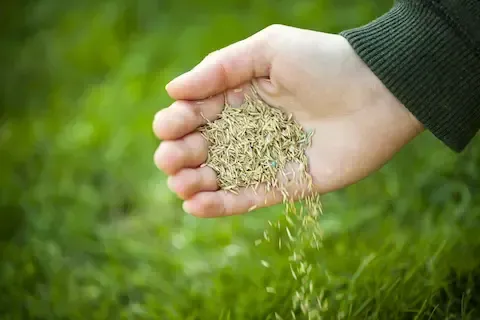
Apple Valley MN Lawn Fertilization on Zone 4b Soil
Apple Valley's unique position in Dakota County creates specific challenges for lawn fertilization that homeowners need to understand before developing their feeding schedule. Your property sits in USDA Zone 4b with soil conditions influenced by the area's agricultural history, including remnant orchard soils that affect nutrient availability and pH levels throughout different neighborhoods.
Understanding Apple Valley's Zone 4b Growing Conditions
Zone 4b determines your fertilization timing more than any other factor in Apple Valley. Your last spring frost typically occurs between April 15th and May 1st, while your first fall frost arrives between October 1st and October 15th. This 150-day growing season requires precise timing for fertilizer applications to maximize uptake before dormancy periods.
Apple Valley's clay-loam soils, common throughout Dakota County, retain nutrients longer than sandy soils but can become compacted, limiting root penetration and fertilizer absorption. The Minnesota River valley's influence creates microclimates within Apple Valley where properties near Lebanon Hills Regional Park experience different drainage patterns than those closer to the Minnesota River corridor.
Your soil's organic matter content varies significantly based on your neighborhood's history. Areas that were formerly apple orchards, particularly around Johnny Cake Ridge Road, often have higher organic content but may also have residual pH issues from decades of agricultural lime applications. Understanding your specific soil conditions helps determine appropriate fertilizer types and application rates.
Minnesota Phosphorus Regulations and Apple Valley Compliance
Minnesota's phosphorus fertilizer law directly impacts your fertilization strategy in Apple Valley. You cannot apply phosphorus-containing fertilizers to established lawns unless a soil test indicates phosphorus deficiency or you're establishing new turf. This regulation protects local waterways, including the Minnesota River and numerous lakes throughout Dakota County.
Testing your Apple Valley soil before fertilization ensures compliance and prevents over-application of nutrients your lawn doesn't need. Dakota County offers soil testing resources, and many Apple Valley garden centers provide testing services that account for local soil conditions and state regulations.
When phosphorus applications are justified, timing becomes crucial in Zone 4b. Apply phosphorus-containing fertilizers during active growing periods when your grass can immediately utilize the nutrients, typically late April through early October in Apple Valley. Avoid applications before heavy rain periods to prevent runoff into local storm systems.
Optimal Fertilization Schedule for Apple Valley Lawns
Your Apple Valley lawn requires four to five fertilizer applications annually, timed to Zone 4b's growing patterns and Minnesota's climate conditions. Early spring application should occur when soil temperatures reach 50°F consistently, typically mid-April in Apple Valley. This timing coincides with forsythia blooming and provides nutrients as your grass emerges from winter dormancy.
Late spring fertilization, around Memorial Day weekend, supports vigorous growth during Apple Valley's optimal growing conditions. Use a balanced fertilizer with slow-release nitrogen to maintain steady feeding through summer stress periods. Summer application timing depends on heat and drought conditions common in Dakota County during July and August.
Early fall fertilization, typically Labor Day weekend, prepares your lawn for Apple Valley's harsh winter conditions. This application focuses on root development and carbohydrate storage rather than top growth. Late fall fertilization, applied 4-6 weeks before ground freeze-up, provides nutrients for spring green-up and winter hardiness.
Professional lawn fertilization services understand Apple Valley's specific timing requirements and can adjust applications based on seasonal weather variations that affect Zone 4b growing conditions.
Fertilizer Types Best Suited for Apple Valley Conditions
Slow-release nitrogen fertilizers work best in Apple Valley's clay-loam soils, providing steady nutrition without promoting excessive top growth that weakens grass before winter. Sulfur-coated urea and polymer-coated fertilizers release nutrients gradually, matching your lawn's uptake capacity during Zone 4b's shorter growing season.
Organic fertilizers complement Apple Valley's soil conditions, particularly in areas with higher organic matter from former agricultural use. Compost-based fertilizers improve soil structure while providing nutrients, addressing both fertility and soil compaction issues common in Dakota County clay soils.
Iron-containing fertilizers address chlorosis issues common in Apple Valley lawns, particularly those with higher pH levels from limestone influences in local soils. Iron applications promote deep green color without stimulating excessive growth that could weaken grass before winter dormancy.
Winterizer fertilizers formulated for northern climates support Apple Valley lawns through harsh Zone 4b winters. These fertilizers emphasize potassium for cold tolerance and root development rather than nitrogen for top growth, preparing your lawn for sub-zero temperatures and snow cover lasting 100+ days.
Common Apple Valley Fertilization Mistakes
Over-fertilizing during summer heat stress ranks among the most damaging mistakes Apple Valley homeowners make. Excessive nitrogen during July and August heat waves forces growth when grass should conserve energy, leading to increased water requirements and heat susceptibility during Dakota County's hottest periods.
Ignoring soil pH affects fertilizer effectiveness throughout Apple Valley. Many properties have pH levels outside the optimal 6.0-7.0 range for cool-season grasses, limiting nutrient availability regardless of fertilizer application rates. Annual pH testing prevents wasted fertilizer applications and poor lawn performance.
Timing fertilizer applications around our cool season mowing schedule ensures maximum nutrient uptake and prevents fertilizer loss through clippings removal during peak growing periods.
Applying fertilizer to wet grass or before heavy rain causes uneven distribution and potential runoff into Apple Valley's storm water system. Wait for dry conditions and avoid fertilizing before predicted rainfall exceeding 0.5 inches to ensure proper absorption and environmental protection.
Seasonal Considerations for Dakota County Properties
Spring fertilization timing varies throughout Apple Valley based on snow melt patterns and soil drainage conditions. Properties in lower elevations near wetland areas may require delayed applications compared to higher ground around Lebanon Hills, where soils dry and warm faster in early spring.
Summer fertilization strategies must account for Apple Valley's heat island effects and varying moisture conditions. Lawns near paved areas or south-facing slopes require different approaches than those in naturally cooler, shadier locations throughout the city.
Fall fertilization preparation begins in late August when Apple Valley temperatures start cooling toward Zone 4b's typical autumn pattern. This timing allows grass to gradually transition from summer survival mode to active fall growth and nutrient storage for winter survival.
Winter considerations include protecting fertilized lawns from road salt damage common along Apple Valley's municipal streets and ensuring proper snow mold prevention through balanced nutrition that doesn't promote excessive late-season growth.
Professional Fertilization Services in Apple Valley
Professional lawn care services specializing in Zone 4b conditions understand Apple Valley's unique challenges, from soil variations between neighborhoods to timing applications around Minnesota's unpredictable spring and fall weather patterns. These services provide soil testing, customized fertilizer blends, and application timing adjusted for local conditions.
Licensed applicators ensure compliance with Minnesota phosphorus regulations while maximizing fertilizer effectiveness through proper equipment calibration and application techniques suited to Dakota County soil conditions. Professional services also coordinate fertilization with other lawn care practices like overseeding and pest management.
Choosing local professionals familiar with Apple Valley conditions provides advantages over national services that may not understand Zone 4b timing requirements or Minnesota regulatory compliance. Local expertise includes knowledge of soil variations throughout different Apple Valley neighborhoods and weather pattern adjustments specific to the Minneapolis-St. Paul metropolitan area.
Long-term Lawn Health Through Strategic Fertilization
Sustainable fertilization practices build soil health over multiple seasons, reducing future fertilizer requirements while improving your Apple Valley lawn's resilience to Zone 4b weather extremes. This approach emphasizes soil biology enhancement alongside nutrient provision, creating lasting improvements in soil structure and water retention.
Integrated fertilization combines chemical and organic approaches, using synthetic fertilizers for immediate needs while building long-term soil health through organic matter additions. This strategy works particularly well in Apple Valley's diverse soil conditions, addressing both immediate nutrient needs and long-term soil improvement.
Record keeping helps optimize your Apple Valley fertilization program by tracking applications, weather conditions, and lawn response over multiple seasons. This information guides future timing adjustments and helps identify the most effective products for your specific property conditions within Dakota County's varying soil types.
Your Apple Valley lawn's fertilization success depends on understanding Zone 4b timing, Minnesota regulations, and local soil conditions that make each property unique. Proper fertilization timing, appropriate product selection, and compliance with state phosphorus regulations create the foundation for healthy turf that withstands Dakota County's challenging climate conditions while contributing to environmental protection efforts throughout the Minnesota River watershed.
