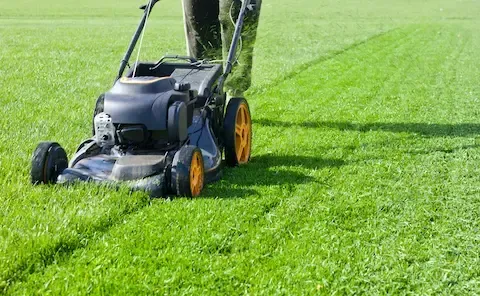
Apple Valley MN Mowing Frequency in Peak Summer Heat
During peak summer heat in Apple Valley, your mowing schedule needs strategic adjustment to protect your lawn from stress while maintaining healthy growth. July and August temperatures in Dakota County often push cool-season grasses into survival mode, requiring longer intervals between cuts and modified cutting heights to preserve root systems and moisture retention.
Understanding Summer Growth Patterns in Apple Valley
Cool-season grasses throughout Apple Valley slow their growth dramatically when temperatures consistently reach the upper 80s and 90s. Kentucky bluegrass, tall fescue, and perennial ryegrass varieties common in Dakota County lawns enter a semi-dormant state during heat stress. This natural response means your typical weekly mowing schedule becomes counterproductive and potentially harmful.
The Minnesota climate presents unique challenges during summer months, with high humidity often accompanying elevated temperatures. This combination creates conditions where frequent cutting can shock grass plants already struggling with heat stress. Proper lawn mowing service during these periods focuses on preservation rather than aggressive maintenance.
Growth rates can drop by 50-70% during peak summer heat, making it essential to monitor your lawn's actual needs rather than adhering to a rigid schedule. Observing blade length and overall grass vigor provides better guidance than calendar-based cutting intervals.
Optimal Summer Mowing Frequency Adjustments
Extended mowing intervals during July and August heat waves protect your Apple Valley lawn from additional stress. Instead of weekly cuts, most lawns benefit from 10-14 day intervals when temperatures remain consistently high. This approach allows grass plants to conserve energy for root development and heat tolerance rather than recovering from frequent cutting.
Monitor soil moisture levels alongside growth patterns to determine ideal timing. During drought conditions common in Dakota County summers, grass growth may slow even further, requiring cuts only every two to three weeks. The key indicator is actual blade length rather than predetermined schedules.
Early morning mowing becomes critical during summer heat, with optimal cutting times between 6-8 AM when temperatures are coolest and grass blades are dry from overnight moisture evaporation. Avoid afternoon cuts during peak heat hours, which can cause immediate stress and browning of cut surfaces.
Height Adjustments for Summer Protection
Raising your cutting height by at least one inch during summer months provides crucial protection for grass crowns and root systems. Taller grass blades create natural shade for soil surfaces, reducing water evaporation and maintaining cooler root zone temperatures. Set mower decks to 3.5-4 inches for optimal summer protection in Apple Valley conditions.
Recognizing Heat Stress Indicators
Several visual cues indicate when your Apple Valley lawn is experiencing heat stress and requires modified mowing practices. Grass blades that remain folded or curled during cooler morning hours signal water stress and the need for extended cutting intervals. Brown or purple-tinted blade tips also indicate stress conditions requiring gentler maintenance approaches.
Following our cool season mowing schedule provides baseline guidance, but summer modifications become necessary when stress indicators appear. Footprints that remain visible on the lawn surface for extended periods indicate drought stress and the need for reduced mowing frequency.
Wilting that persists beyond early morning hours signals severe stress requiring immediate schedule adjustments. During these periods, avoid mowing entirely until conditions improve and grass begins showing signs of recovery.
Soil Temperature Considerations
Soil temperatures above 85 degrees Fahrenheit, common during Dakota County heat waves, create additional stress for cool-season grass root systems. Use a soil thermometer to monitor conditions and adjust mowing frequency accordingly. When soil temperatures remain elevated for consecutive days, extend cutting intervals regardless of visible growth.
Common Summer Mowing Mistakes
Maintaining regular weekly mowing schedules during heat stress represents the most common mistake among Apple Valley homeowners. This practice forces already stressed grass plants to redirect limited energy resources toward blade recovery rather than root maintenance and heat tolerance.
Cutting too short during summer months removes the natural protection taller blades provide to grass crowns and soil surfaces. Scalping stressed lawns can cause permanent damage requiring extensive renovation once cooler weather returns.
Mowing during peak afternoon heat compounds stress factors and can cause immediate browning of cut surfaces. Even sharp blades create trauma that becomes magnified under extreme temperature conditions.
Ignoring soil moisture levels when determining mowing schedules leads to additional stress on drought-affected lawns. Dry soil conditions require even longer intervals between cuts to prevent root system damage.
Equipment Considerations for Summer Cutting
Blade sharpness becomes even more critical during summer heat when grass plants have reduced recovery capacity. Dull blades create ragged cuts that increase water loss and disease susceptibility during stress periods. Professional maintenance ensures clean cuts that minimize trauma to stressed grass plants.
Mulching capabilities provide additional benefits during summer months by returning moisture and nutrients to stressed soil systems. Proper mulching distributes clippings evenly, creating natural mulch that helps retain soil moisture and moderate surface temperatures.
Professional Summer Maintenance Strategies
Professional lawn care services in Apple Valley adjust cutting schedules based on real-time grass conditions rather than predetermined intervals. This adaptive approach ensures optimal lawn health during challenging summer conditions while maintaining acceptable appearance standards.
Integrated summer care includes monitoring irrigation needs, adjusting fertilizer applications, and coordinating mowing schedules with weather patterns. Professional services can identify early stress indicators and implement protective measures before damage occurs.
Summer mowing in Apple Valley requires balancing aesthetic expectations with plant health needs. Professional expertise ensures your lawn receives appropriate care during peak heat periods while maintaining long-term vigor for fall recovery and next season's growth.
