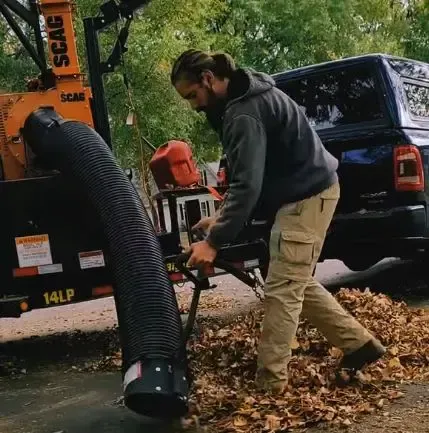
When to Schedule Fall Lawn Cleanup in Apple Valley MN
Timing your fall lawn cleanup correctly makes a significant difference in how your turf survives winter and recovers in spring. In Apple Valley and throughout Dakota County, that window is narrower than most homeowners expect. Schedule too early and you will be raking leaves that have not yet fallen, forcing a second round of work. Wait too long and a heavy snowfall can mat wet leaves against your grass for months, creating the conditions for fungal disease and dead patches by May.
The Right Timing Window for Apple Valley
The ideal fall cleanup window in Apple Valley typically runs from mid-October through early November. That range corresponds with when Dakota County's predominant tree species finish dropping their leaves. Silver maples tend to shed early, often by mid-October. Oaks, which are abundant throughout Apple Valley neighborhoods, hold their leaves much longer and frequently do not release the bulk of them until late October or even the first days of November.
Watching your specific yard matters more than following a calendar date. A practical rule: once roughly 75 to 80 percent of the leaves on your property have fallen, you are in the right window to start your full cleanup. Cleaning up at that point captures the heaviest leaf load without requiring a full second pass for the stragglers that drop in the following week.
Why Timing Matters for Turf Health
Grass in Apple Valley is primarily cool-season turf, usually Kentucky bluegrass or a fescue blend. These grasses remain actively growing well into October, and they need sunlight and airflow to harden off properly before dormancy. A heavy layer of wet leaves blocks both. When leaves sit on turf for more than a few days in cool, damp conditions, the grass beneath starts to yellow and weaken. Extended coverage can trigger snow mold, a fungal disease that becomes visible as gray or pink patches when snow melts in spring.
Beyond disease risk, compacted leaf matter creates a physical barrier that prevents the last applications of fall fertilizer from reaching the soil. If you have scheduled a late-season fertilizer treatment, your cleanup needs to happen before that application goes down, not after.
What Apple Valley's Weather Patterns Mean for Your Schedule
Dakota County averages its first measurable snowfall sometime in late October, though significant accumulation that sticks around usually arrives in November. The problem is not always a full winter storm. Even an inch or two of wet snow landing on an uncleared lawn can mat leaves flat against the turf and freeze them in place. Once that happens, hand raking becomes difficult and mechanical removal risks tearing up softened turf.
Watching the extended forecast in the days around late October gives you a practical heads-up. If a snow event looks likely within a week, prioritize getting cleanup done before it arrives rather than waiting for the last oak leaves to fall. The cost of leaving a few late leaves behind is far lower than the cost of dealing with compacted, frozen leaf mat or the lawn damage that follows.
Scheduling Around Neighborhood Leaf Drop
Apple Valley has a mature tree canopy across many of its established neighborhoods, particularly in areas closer to the Minnesota River bluffs and around Kelley Park. Homeowners near those tree-dense zones often face a heavier and more concentrated leaf drop than properties on newer streets with younger landscaping. If your yard sits under several large oaks or silver maples, you may need to plan for more than one pass, or at minimum, build in extra time for a thorough single cleanup once the trees have finished.
For properties that rely on professional service, booking early is essential. Local lawn care crews in Dakota County fill up quickly once mid-October arrives. Calling ahead and placing your name on the schedule in September or early October ensures you get a service date in the optimal window. If you wait until the leaves are already down to call, you may find the earliest available slot pushed into mid-November, which cuts it close before freeze.
What a Complete Fall Cleanup Should Include
Scheduling the timing is only part of the equation. A thorough fall lawn cleanup covers more than leaf removal. The scope should include clearing debris from beds, cutting back perennials where appropriate, removing spent annuals, and making sure drainage areas around downspouts are clear before freeze. Leaves that accumulate against foundation plantings or in low spots that collect water can cause problems that extend well beyond the lawn itself.
Edging, final mowing at a slightly lower height, and debris removal from hardscaped areas like driveways and sidewalks round out the work. Cutting your turf slightly shorter heading into winter, typically to around 2.5 inches, reduces the amount of blade that can mat down under snow and harbor moisture-related disease.
Connecting Cleanup to Your Broader Fall Lawn Plan
Fall cleanup does not exist in isolation. It connects directly to aeration, overseeding, and fertilization decisions you may already be making. If you have not already looked at our fall lawn cleanup overview, it covers the full scope of what a complete fall service involves and how each task supports long-term turf health.
The sequence typically runs: aerate and overseed in mid-September, fertilize in early to mid-October, and complete leaf and debris cleanup by early November before the ground freezes. Disrupting that order, particularly doing cleanup before aeration, can undo work and waste money.
A Practical Approach for Apple Valley Homeowners
The simplest way to stay on the right side of fall lawn timing in Apple Valley is to keep a short checklist in mind: monitor your tree canopy through October, watch the extended weather forecast as October closes out, and have a service booked before the leaves are fully down rather than after. The homeowners who end up with the cleanest lawns heading into winter are almost always the ones who planned their cleanup date in advance rather than reacting to a sudden leaf drop or an approaching snow event.
If you are unsure where your yard falls in the local leaf-drop timeline, a quick assessment in early October of which trees dominate your property gives you all the information you need to set a reasonable target date and stick to it.
