Fall Lawn Cleanup Across Apple Valley MN Neighborhoods
Essential Fall Lawn Care for Apple Valley Properties
Fall lawn cleanup represents one of the most critical maintenance periods for Apple Valley homeowners preparing their properties for Minnesota's harsh winter conditions. Your lawn requires comprehensive attention during autumn months to ensure healthy spring emergence and optimal growing conditions throughout the following season.
Effective fall maintenance involves removing organic debris, addressing soil compaction issues, and implementing protective measures that support root system development during dormant periods. Apple Valley's Zone 4b climate creates specific challenges that require targeted approaches to leaf management, soil preparation, and turf protection strategies.
Professional fall lawn cleanup services address multiple maintenance requirements simultaneously, ensuring your property receives comprehensive care during this crucial transition period. Understanding these seasonal requirements helps you make informed decisions about maintaining your landscape investment.
Leaf Removal Strategies for Dakota County Conditions
Dakota County's abundant tree coverage creates significant leaf accumulation challenges across residential properties throughout autumn months. Maple, oak, and ash trees common in Apple Valley neighborhoods produce substantial leaf volumes that require systematic removal approaches to prevent lawn damage.
Thick leaf layers block essential sunlight penetration and create moisture retention problems that encourage fungal development and crown rot issues. These conditions become particularly problematic when combined with Minnesota's extended snow cover periods, creating anaerobic environments that damage grass crowns and root systems.
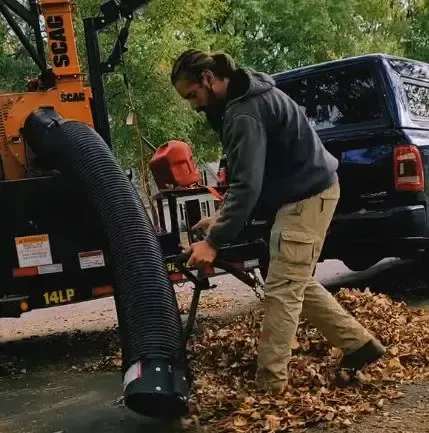
Professional leaf removal equipment efficiently processes large volumes of organic material while protecting established turf areas. Vacuum systems and mulching capabilities transform collected leaves into valuable organic matter suitable for composting or landscape applications, maximizing the environmental benefits of fall cleanup activities.
Timing considerations play crucial roles in effective leaf management strategies. Early removal prevents matting and decomposition issues, while allowing beneficial organic matter incorporation into soil systems through controlled mulching applications.
Equipment Selection and Technique Considerations
Commercial-grade leaf removal equipment offers superior performance compared to residential tools when addressing large-scale cleanup requirements. High-capacity vacuum systems process mixed debris efficiently while minimizing turf disturbance during collection activities.
Mulching capabilities integrated into professional equipment create valuable soil amendments from collected organic material. This approach reduces waste disposal requirements while providing beneficial organic matter for landscape enhancement projects throughout your property.
Strategic collection patterns optimize efficiency while protecting sensitive landscape areas from equipment damage. Professional operators understand proper technique applications that maintain turf health while achieving comprehensive debris removal objectives.
Soil Preparation and Aeration Benefits
Fall represents optimal timing for addressing soil compaction issues that develop throughout growing seasons. Apple Valley's clay-based soils commonly experience compaction problems that restrict water infiltration, air movement, and nutrient availability for grass root systems.
Core aeration performed during fall cleanup activities creates channels that improve soil structure and enhance root development opportunities. These improvements become particularly valuable during spring thaw cycles when improved drainage prevents standing water problems and reduces disease pressure.
Combining aeration with fall cleanup activities maximizes efficiency while providing comprehensive soil improvement benefits. Our aeration and overseeding overview details specific techniques that enhance soil conditions and support healthy turf development.
Organic matter incorporation following leaf removal and aeration creates ideal conditions for beneficial microbial activity during winter months. These biological processes improve soil structure and nutrient availability for spring growth initiation.
Timing Optimization for Maximum Benefits
Soil temperature monitoring guides optimal timing for aeration activities during fall cleanup periods. Core aeration performed when soil temperatures remain above freezing but before ground hardening provides maximum soil improvement benefits.
Moisture conditions significantly impact aeration effectiveness and equipment performance. Professional operators assess soil conditions carefully to ensure optimal timing that maximizes benefits while preventing equipment damage or turf injury.
Turf Protection Strategies for Winter Survival
Minnesota's Zone 4b climate requires specific protective measures that support grass survival through extended freezing periods and variable snow coverage conditions. Fall cleanup activities provide opportunities to implement protective strategies that enhance winter hardiness and spring recovery potential.
Crown protection represents a critical consideration for cool-season grasses common in Apple Valley lawns. Removing excessive organic debris prevents moisture retention that contributes to crown rot development during winter months when turf lacks active growth and recovery capabilities.
Proper mowing height adjustments during fall cleanup activities help grass plants prepare for dormancy while maintaining adequate leaf surface for photosynthesis during warm autumn periods. These preparations support carbohydrate storage that fuels spring growth initiation.
Debris removal from sensitive areas such as slopes, drainage channels, and transition zones prevents ice dam formation and water flow disruption that can cause significant turf damage during freeze-thaw cycles common in Dakota County.
Disease Prevention Through Sanitation
Fall sanitation practices significantly reduce disease pressure during spring growing seasons. Removing infected plant material and organic debris eliminates overwintering sites for fungal pathogens that commonly affect cool-season grasses in Minnesota climates.
Leaf spot diseases, rust, and other common turf diseases rely on organic debris for survival during winter months. Comprehensive fall cleanup disrupts disease cycles and reduces inoculum levels that contribute to spring infection problems.
Equipment and Technique Considerations
Professional fall cleanup requires specialized equipment designed to handle mixed debris types efficiently while protecting established landscape features. Commercial leaf vacuums, debris loaders, and mulching equipment provide superior performance compared to residential tools when addressing comprehensive property maintenance requirements.
Proper equipment selection depends on property characteristics, debris volumes, and specific cleanup objectives. Large properties with extensive tree coverage require high-capacity systems, while smaller residential lots benefit from maneuverable equipment that accesses confined spaces effectively.
Safety considerations play important roles in equipment selection and operation protocols. Professional operators understand proper technique applications that prevent property damage while ensuring operator safety during cleanup activities.
Disposal options for collected material vary depending on local regulations and available facilities. Many Dakota County communities offer seasonal leaf collection programs, while private disposal services provide convenient alternatives for large-volume cleanup projects.
Quality Control and Inspection Procedures
Systematic inspection protocols ensure comprehensive debris removal while identifying potential problems that require additional attention. Professional cleanup services employ quality control measures that guarantee complete property coverage and client satisfaction.
Final inspections address detail areas often missed during initial cleanup passes, including foundation plantings, fence lines, and landscape bed edges where debris accumulates in protected locations.
Environmental Benefits and Sustainable Practices
Sustainable fall cleanup practices maximize environmental benefits while achieving comprehensive property maintenance objectives. Organic matter recycling, composting applications, and natural soil improvement techniques support ecological health while enhancing landscape performance.
Carbon sequestration through proper organic matter management contributes to environmental sustainability goals while improving soil health and plant performance. These practices align with modern landscape management principles that emphasize ecological responsibility.
Water quality protection represents an important consideration during fall cleanup activities. Preventing organic debris accumulation in storm drains and water features protects local water resources while reducing nutrient loading that contributes to algae problems in area lakes and streams.
Wildlife habitat considerations influence cleanup timing and technique selection. Maintaining appropriate organic matter levels in designated areas provides overwintering habitat for beneficial insects while achieving comprehensive property maintenance objectives.
Professional Service Advantages
Professional fall cleanup services offer comprehensive expertise and efficient equipment that deliver superior results compared to do-it-yourself approaches. Experienced operators understand local conditions, proper techniques, and quality standards that ensure complete satisfaction and optimal property preparation for winter conditions.
Insurance coverage and liability protection provide important safeguards when addressing large-scale cleanup projects that involve specialized equipment and potential safety hazards. Professional services assume responsibility for proper disposal, equipment operation, and property protection during cleanup activities.
Scheduling flexibility accommodates varying weather conditions and client preferences while ensuring timely completion before winter weather arrival. Professional services monitor seasonal conditions and adjust scheduling to optimize results and minimize weather-related delays.
Comprehensive cleanup approaches address multiple maintenance requirements simultaneously, providing superior value compared to piecemeal approaches that address individual issues separately. This integrated approach ensures complete property preparation while minimizing disruption and maximizing efficiency.
