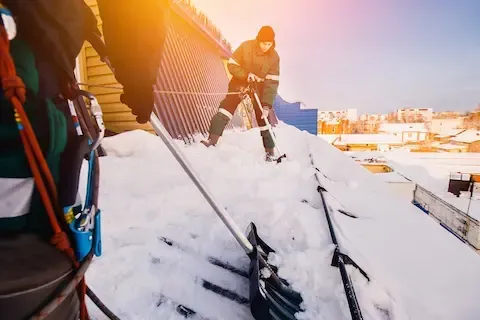
Roof Snow Removal for Apple Valley MN Winter Homes
Heavy snow accumulation on your Apple Valley home's roof creates structural risks that demand immediate attention during Minnesota's harsh winter months. When snow depths exceed 12 inches or ice layers form beneath fresh snowfall, the combined weight can stress your roofing system beyond safe limits. Professional roof snow removal protects your investment and prevents costly damage from structural overload, ice dam formation, and sudden collapse risks that threaten Dakota County homes each winter season.
Understanding Snow Load Risks on Apple Valley Roofs
Minnesota building codes account for typical snow loads, but exceptional weather events can push accumulations beyond design specifications. Fresh powder snow weighs approximately 5-7 pounds per cubic foot, while wet snow can reach 12-15 pounds per cubic foot. Ice adds even more stress at nearly 60 pounds per cubic foot. When these materials combine on your roof, the total load can exceed 40 pounds per square foot, approaching dangerous levels for many residential structures.
Apple Valley's climate patterns create particularly challenging conditions. February storms often deposit 8-12 inches of snow in single events, followed by brief warming periods that create ice layers. These freeze-thaw cycles compound loading problems as melted snow refreezes into dense ice sheets. Older homes built before current snow load requirements face the greatest risk during these extreme weather patterns.
Roof pitch affects how snow accumulates and sheds naturally. Steep roofs allow better natural shedding, while low-slope and flat sections tend to collect and hold snow. Complex rooflines with valleys, dormers, and multiple levels create drift zones where snow accumulates to dangerous depths. These architectural features require special attention during roof snow removal operations.
Critical Timing for Snow Removal Operations
Timing determines the success and safety of roof snow removal efforts. Remove snow when accumulations reach 12 inches of fresh snow or 6 inches of wet, heavy snow. Don't wait for structural warning signs like sagging ceiling fixtures, cracking sounds, or difficulty opening doors and windows. These symptoms indicate dangerous loading levels that require immediate professional intervention.
Weather forecasts help predict optimal removal windows. Plan removal operations before additional snowfall or warming trends that add weight through melting and refreezing. Avoid removal during active storms, high winds, or extremely cold temperatures below -10°F when equipment becomes brittle and workers face increased safety risks.
Monitor specific roof sections that accumulate snow faster than others. North-facing slopes, areas near heating vents, and sections sheltered from wind require more frequent attention. Valley areas between roof sections often collect twice the snow depth of surrounding areas and need priority removal to prevent localized overloading.
Professional Snow Removal Techniques and Equipment
Professional roof snow removal employs specialized techniques that protect both workers and roofing materials. Snow rakes with telescoping handles allow ground-based removal from single-story sections, while roof access requires proper safety equipment including harnesses, ropes, and non-slip footwear designed for winter conditions.
Removal starts from the roof edge and works upward to prevent snow from sliding onto workers below. Professionals remove snow in layers rather than attempting to clear full depths at once, which prevents damage to shingles and underlying materials. Plastic shovels with rounded edges minimize surface damage compared to metal tools that can tear or puncture roofing materials.
Steam and hot water systems offer alternative removal methods for ice-heavy accumulations. These systems melt ice dams and frozen snow layers without mechanical scraping that damages roofing surfaces. However, steam removal requires careful drainage management to prevent refreezing in gutters and downspouts.
Safety Protocols for Roof Access
Roof access during winter conditions presents extreme safety challenges that require professional expertise and equipment. Proper safety protocols include three-point contact climbing techniques, secure anchor points for fall protection, and buddy system operations with ground-based spotters.
Weather conditions determine safe working parameters. Operations halt during precipitation, winds exceeding 20 mph, or temperatures creating ice-covered surfaces. Morning operations often provide better conditions before afternoon sun creates melting and refreezing cycles that make surfaces unpredictably slippery.
Professional crews use specialized footwear with aggressive tread patterns and sometimes ice cleats for additional traction. Safety harnesses distribute fall forces across the body and connect to secure roof anchor points or properly rated ladder systems. Ground crews manage ladder stability and maintain communication with roof workers throughout operations.
Preventing Damage During Snow Removal
Proper removal techniques protect your roofing investment while addressing snow load concerns. Work systematically from edges toward peaks to maintain structural balance and prevent sudden load shifts that stress roof framing. Remove snow in manageable sections rather than creating large cleared areas adjacent to heavily loaded sections.
Protect gutters and downspouts from damage during snow removal operations. Use plastic tools near gutter edges and avoid dropping large amounts of snow directly onto gutter systems. Clean gutters before heavy snow seasons to ensure proper drainage during melting periods.
Identify and protect roof penetrations including vents, chimneys, and satellite installations during snow removal. These areas often collect deep snow drifts and require careful clearing to prevent damage to seals and flashing systems that protect against water infiltration.
Recognizing Emergency Situations
Certain conditions require immediate professional intervention regardless of snow depth measurements. Structural warning signs include sagging rooflines visible from ground level, cracking or popping sounds from the attic area, and doors or windows that suddenly become difficult to operate due to frame distortion.
Ice dam formation creates emergency conditions that demand prompt attention. Look for icicles exceeding 12 inches in length, water stains on exterior walls below rooflines, or water infiltration in attic spaces. These signs indicate ice blockages that prevent proper drainage and create additional loading from trapped water.
Multiple storm events without intervening melting periods compound loading risks exponentially. Dakota County often experiences these conditions during extended cold spells when temperatures remain below freezing for weeks. Professional assessment becomes critical when three or more significant snow events occur without natural shedding between storms.
Review our ice dam prevention overview for additional strategies to protect your home during extended winter weather periods.
Equipment and Tool Requirements
Professional-grade snow removal requires specific tools designed for roofing applications. Roof rakes with 20-foot telescoping handles allow safe ground-based removal from single-story homes, while maintaining proper distance from potential falling snow and ice. Choose rakes with plastic or rubber cutting edges that won't damage shingles or gutters.
For direct roof access, aluminum snow pushers with rounded edges provide efficient removal without surface damage. Avoid standard snow shovels with sharp metal edges that can tear shingles or puncture underlying materials. Plastic scoops work well for moving loose snow away from critical areas like valleys and downspout locations.
Safety equipment includes professional-grade harnesses rated for fall protection, dynamic climbing ropes, and secure anchor systems appropriate for residential roofing applications. Non-slip boots with aggressive tread patterns provide essential traction on snow-covered surfaces, while ice cleats offer additional grip during extremely icy conditions.
Cost Factors and Service Timing
Professional roof snow removal costs vary based on roof complexity, snow conditions, and access requirements. Single-story homes with simple rooflines typically cost less than multi-story homes with complex architectural features. Heavy, wet snow or ice-covered conditions require more time and specialized equipment, affecting service pricing.
Emergency services during extreme weather events command premium pricing due to increased safety risks and immediate response requirements. Schedule removal services during normal business hours when possible to avoid emergency surcharges while still addressing safety concerns promptly.
Consider seasonal service contracts that provide priority response during heavy snow events. These agreements often include discounted per-service rates and guaranteed response times during critical weather conditions that affect Apple Valley and surrounding Dakota County communities.
